“A Divine Calling!”
Filed under: Ascension of Jesus, Bible, by Sherwin Scott, Christian Living, Christianity, Christmas, Church, Discipleship, Evangelism, Faith, GCI Windsor Mill, Maryland, God, God Father Son and Spirit, God the Trinity, God's love, good news, Gospel, Grace Communion Baltimore, Grace Communion International, identity in Christ, Inclusion, Jesus Christ, Love, Ministry, New Life Fellowship Of Baltimore Maryland, New Life Fellowship Of Windsor Mill, MD., On Mission with Christ, Participation with Christ, Participation with Jesus, Perichoresis, Prayer, relationship with God, Relationships, Sermons, The Church, The Dance and Dream of the Trinity, The Gospel Project, The Holy Spirit, The Plan of Adoption, Timothy Brassell, Trinity, Uncategorized, union, Union In Christ, Union with Christ, Witness, Witnessing to God, Witnessing to Jesus, Worship, Worshiping God, Worshipping Jesus | Tags: 1 Corinthians 1, 1 Corinthians 1:9, Adoption, Basic Christian Doctrine, Being In God's Family, Bible, By Pastor Timothy, By Tim Brassell, By Timothy Brassell, Christian Faith, Christian Living, Christianity, Church, Evangelism, Faith, GCI Baltimore, GCI Windsor Mill, God, God Father Son and Spirit, God the Trinity, God's Faith, God's Grace, God's love, good news, Gospel, Grace Communion Baltimore, Grace Communion International, Having The Peace Of God, hebrews 10: 36-38, Hebrews 3: 1, How God Reveals Himself, Humanity Revealed, Humanity Revealed In Jesus, identity in Christ, Inclusion, Jesus, Jesus Christ, Knowing The Father's Love, Life's meaning and Significance, Love, Maryland, Matthew 13: 45-46, MD., Ministry, New Life Fellowship Baltimore MD, New Life Fellowship Of Baltimore Maryland, New Life Fellowship Of Windsor Mill, Participation with Christ, Participation with Jesus, Perichoresis, relationship with God, Relationships, Revealing Your Life's Purpose, Romans 11: 29, Sermons, Sharing God More Accurately, Sharing In God's JOy, Sharing In God's Laughter, Sharing In The Divine Nature, Sherwin Scott, Son and Holy Spirit, The Basic Christian Belief, The Church, The Dance and Dream of the Trinity, The Father, The Father Loves and Like You Fest, The God Who Is Love, The Holy Spirit, The Plan of Adoption, the reason for your existence, Timothy Brassell of New Life Fellowship, Trinitarian Theology, Trinity, Uncategorized, Understanding God, Understanding Human Beings, Understanding Life's Calling, Union with Christ, Who Is God?, Who Is Jesus?, Worship, Worshipping Jesus
 Leave a Comment
 Word of Life Devotional by Sherwin Scott

Therefore, holy brothers [and sisters], you who share in a heavenly calling, consider Jesus, the apostle and high priest of our confession…
Hebrews 3:1 (ESV)
Many people consider themselves to be called to a specific profession or service. They believe that they have been called to be doctors, lawyers, and teachers, or to serve in the armed forces or the local or national government of their country. Maybe they feel they are called to be the leader of a nation as president or prime minister.
Believers in Jesus Christ have received a specific and definite calling into his fellowship. The Apostle Paul explains in 1 Corinthians 1:9: ‘God is faithful, by whom you were called into the fellowship of his Son, Jesus Christ our Lord.’ What exactly is ’the fellowship of his Son’? It is the holy, loving relationship of God the Father, Jesus the beloved Son and the Holy Spirit – a divine relationship that has existed from eternity and will continue forever!
Believers are blessed, privileged, and honored to be called to participate or share in this wonderful relationship. It doesn’t get any better – it is finding the pearl of great value (Matthew 13:45-46), the ultimate calling! And an amazing truth about this special calling is that it cannot be revoked as explained in Romans 11:29: ‘For the gifts and the calling of God are irrevocable.’
Relationships are very important to God, for God is in relationship: Father, Son, and Holy Spirit, a communion of love. And he wants us as his children to participate in the divine relationship, which will continue forever. With this divine calling there is no going back, for God takes no pleasure in anyone who draws back (Hebrews 10:36-38). There is only one way – marching forward into the fullness of God’s glorious kingdom.
Prayer
Heavenly Father, thank you for the invitation to participate in your beautiful relationship. Please help me to respond in a manner that is pleasing to you. In Jesus’s name I pray, Amen.
Study by Sherwin Scott
Photo Compliments: WorldChallenge.org
“Who is The Father Revealed in Jesus?” Pt. 2
Filed under: Ascension of Jesus, Bible, By Tim Brassell, By Timothy Brassell, Christian Living, Christianity, Church, Discipleship, Evangelism, Faith, GCI Windsor Mill, Maryland, God, God Father Son and Spirit, God the Trinity, God's love, good news, Gospel, Grace Communion Baltimore, Grace Communion International, identity in Christ, Inclusion, Jesus Christ, Love, Ministry, New Life Fellowship Of Baltimore Maryland, New Life Fellowship Of Windsor Mill, MD., On Mission with Christ, Participation with Christ, Participation with Jesus, Pentecost, Perichoresis, Prayer, relationship with God, Relationships, Scripture Paraphrases, Sermons, The Church, The Dance and Dream of the Trinity, The Father, Son and Holy Spirit, The Gospel Project, The Holy Spirit, The Plan of Adoption, Timothy Brassell, Trinity, Uncategorized, union, Union In Christ, Union with Christ, Witness, Witnessing to God, Witnessing to Jesus, Worship, Worshiping God, Worshipping Jesus | Tags: 2 Cor, 2 Corinthians 13: 14, Adoption, Basic Christian Doctrine, Being In God's Family, Bible, By Pastor Timothy, By Tim Brassell, By Timothy Brassell, Christian Faith, Christian Living, Christianity, Church, Evangelism, Faith, GCI Baltimore, GCI Windsor Mill, God, God Father Son and Spirit, God the Trinity, God's Faith, God's Grace, God's love, good news, Gospel, Grace Communion Baltimore, Grace Communion International, Having The Peace Of God, How God Reveals Himself, Humanity Revealed, Humanity Revealed In Jesus, identity in Christ, Inclusion, Jesus, Jesus Christ, John 17, Knowing The Father's Love, Life's meaning and Significance, Love, Maryland, Matthew 23, Matthew 23: 8-11, MD., Ministry, New Life Fellowship Baltimore MD, New Life Fellowship Of Baltimore Maryland, New Life Fellowship Of Windsor Mill, Participation with Christ, Participation with Jesus, Pastor T, Pastor Tim, Pastor Timothy Brassell, Perichoresis, relationship with God, Relationships, Revealing Your Life's Purpose, Sermons, Sharing God More Accurately, Sharing In God's JOy, Sharing In God's Laughter, Sharing In The Divine Nature, Son and Holy Spirit, The Basic Christian Belief, The Church, The Dance and Dream of the Trinity, The Father, The Father Loves and Like You Fest, The God Who Is Love, The Holy Spirit, The Plan of Adoption, the reason for your existence, Timothy Brassell of New Life Fellowship, Trinitarian Theology, Trinity, Uncategorized, Understanding God, Understanding Human Beings, Understanding Life's Calling, Union with Christ, Who Is God?, Who Is Jesus?, Worship, Worshipping Jesus
Leave a Comment 
Part 2A:
Part 2B
Full Message:
Scripture:
2 Cor 13: 14, Matthew 23: 8-11, John 17
Summary and Goal:
This sermon discusses the importance of understanding the relationship between God the Father, Jesus Christ, and the Holy Spirit. It emphasizes the deep love and joy that comes from being united with the Father through Jesus and the Holy Spirit.
“What I mean is this. An ordinary simple Christian kneels down to say his prayers. He is trying to get into touch with God. But if he is a Christian he knows that what is prompting to pray is also God: God, so to speak, inside him. But he also knows that all his real knowledge of God comes through Christ, the Man who was God—that Christ is standing beside him, helping him to pray, praying for him. You see what is happening. God (THE FATHER) is the thing (ONE) to which he is praying—the goal he is trying to reach. God is also the thing (ONE) inside him which is pushing him on—the motive power. God is also the road or bridge along which he is being pushed to that goal. So that the whole threefold life of the three-personal Being is actually going on in that ordinary little bedroom where an ordinary man is saying his prayers. The man is being caught up into the higher kind of life—what I called Zoe or spiritual life: he is being pulled into God, by God, while still remaining himself.” (P.163) – Mere Christianity by C.S. Lewis
Highlights:
👨👦👦 The Father, Son, and Holy Spirit are distinct persons in the Godhead.
👻 The Holy Spirit is not a commodity, but a person who hears, speaks, sees, inspires, and moves.
🎁 Everything we receive and do comes from the Father through Jesus and in the Holy Spirit.
😇 Joyous days in the Father surpass mere happiness and can be experienced even in affliction and distress.
❤️ The love of the Father is deep and unbreakable, even in the face of trials and persecution.
✝️ The Father’s love was demonstrated through Jesus’ sacrifice on the cross, which reconciled and saved humanity.
🤝 The relationship with the Father is shared through the participation in the Holy Spirit’s fellowship.
“Who Is The Father Revealed In Jesus?” Pt. 1
Filed under: Ascension, Ascension of Jesus, Bible, By Pastor Timothy, By Tim Brassell, By Timothy Brassell, Christian Living, Christianity, Church, Discipleship, Evangelism, Faith, GCI Windsor Mill, Maryland, God, God Father Son and Spirit, God the Trinity, God's love, good news, Gospel, Grace Communion Baltimore, Grace Communion International, identity in Christ, Inclusion, Jesus Christ, Liturgy, Love, Ministry, New Life Fellowship Of Baltimore Maryland, New Life Fellowship Of Windsor Mill, MD., On Mission with Christ, Participation with Christ, Participation with Jesus, Pentecost, Perichoresis, Prayer, relationship with God, Relationships, Scripture Paraphrases, Sermons, The Church, The Dance and Dream of the Trinity, The Father, Son and Holy Spirit, The Gospel Project, The Holy Spirit, The Plan of Adoption, Timothy Brassell, Trinity, Uncategorized, union, Union In Christ, Union with Christ, Witness, Witnessing to God, Witnessing to Jesus, Worship, Worshiping God, Worshipping Jesus | Tags: 1 John 5, Adoption, Basic Christian Doctrine, Being In God's Family, Bible, By Pastor Timothy, By Tim Brassell, By Timothy Brassell, Christian Faith, Christian Living, Christianity, Church, Evangelism, Faith, GCI Baltimore, GCI Windsor Mill, God, God Father Son and Spirit, god the father, God the Holy Spirit, God the Son, God the Trinity, God's Faith, God's Grace, God's love, good news, Gospel, Grace Communion Baltimore, Grace Communion International, Having The Peace Of God, Hebrews 1: 1-3, How God Reveals Himself, Humanity Revealed, Humanity Revealed In Jesus, identity in Christ, Inclusion, Isaiah 40: 18-31, Isaiah 46: 3-13, Jesus, Jesus Christ, Jesus revealed the father, John 17, Knowing The Father's Love, Life's meaning and Significance, Love, Mark 12, Maryland, MD., Ministry, New Life Fellowship Baltimore MD, New Life Fellowship Of Baltimore Maryland, New Life Fellowship Of Windsor Mill, Participation with Christ, Participation with Jesus, Perichoresis, relationship with God, Relationships, Revealing Your Life's Purpose, Sermons, Sharing God More Accurately, Sharing In God's JOy, Sharing In God's Laughter, Sharing In The Divine Nature, Son and Holy Spirit, The Basic Christian Belief, The Church, The Dance and Dream of the Trinity, The Father, The Father Loves and Like You Fest, The God Who Is Love, The Holy Spirit, The Plan of Adoption, the reason for your existence, Timothy Brassell of New Life Fellowship, Trinitarian Theology, Trinity, Uncategorized, Understanding God, Understanding Human Beings, Understanding Life's Calling, Union with Christ, Who Is God?, Who Is Jesus?, Who is the father revealed in jesus, Worship, Worshipping Jesus
Leave a Comment 
Pt 1A:
Pt 1B:
Full Message:
Scripture: Isaiah 40: 18-31, Isaiah 46: 3-13, Hebrews 1: 1-3, 1John5, Mark 12, John 17
Summary and Goal:
This sermon is about the importance of knowing and understanding the God and Father of our Lord Jesus Christ. The speaker emphasizes the supreme advantage and relevance of having a relationship with the Father-Son-Holy-Spirit-God as Revealed in Jesus Christ the God/Man.
Highlights:
🙏 Praying to the Father before the message
🌟 The twin doctrines of faith: Who is the Father? What is He doing?
👨👧👦 Father’s Day celebration and addressing everyone
🏛️ The foundation of Jesus Christ and the importance of building on it
📖 Scripture references and teachings on the Father
🌍 The Importance of God the Father for every family
💞 Implications of understanding and relating to God the Father
💡 Knowing the Father gives supreme advantage and relevance in life.
Photo compliments: smoodock45.wordpress
The Father Loves and Likes You 2023 Workshops
Filed under: Ascension of Jesus, Bible, By Calvin Simon, by Cathy Deddo, by Dr. Gary Deddo, By Pastor Timothy, By Tim Brassell, By Timothy Brassell, Cathy Deddo, Christian Living, Christianity, Church, Discipleship, Dr. Gary Deddo, Evangelism, Faith, GCI Windsor Mill, Maryland, God, God Father Son and Spirit, God the Trinity, God's love, good news, Good News Festival, Gospel, Grace Communion Baltimore, Grace Communion International, Humor, identity in Christ, Inclusion, Jesus Christ, Love, Ministry, New Life Fellowship Of Baltimore Maryland, New Life Fellowship Of Windsor Mill, MD., Participation with Christ, Participation with Jesus, Prayer, relationship with God, Relationships, Sermons, Spiritual Warfare, The Church, The Father Loves and Like You Fest, The Father, Son and Holy Spirit, The Holy Spirit, The Plan of Adoption, Timothy Brassell, Trinity, Uncategorized, Union with Christ, Witnessing to God, Witnessing to Jesus, Worship, Worshiping God, Worshipping Jesus | Tags: Cathy Deddo, Christian Living, Christianity, Church, Dr. Gary Deddo, Forgiveness, God - Father-Son-and Holy Spirit, God's goodness, God's love, God's Providence, God's Truth, Gospel, Jesus, Jesus' Lordship, Jesus' Salvation, Lord of History, Lord of Time and Space, Ocean City, Our Christian Identity, Prayer, Relationships, Spiritual Struggles, Struggling with Evil, The Evil One, The Father Loves and Likes You 2023, The Father-Son-Holy Spirit-God, The Lord's Prayer, Trinitarian Theology, Trinity, Workshops
Leave a Comment 
Discover how the Gospel of the Father-Son-Holy-Spirit-God can guide us through the trials and tribulations of today’s world in 5 insightful teaching sessions. 
[Special guests Gary and Cathy Deddo lead us on a transformative exploration of Who Jesus is and our identity in Him amidst the challenges we face as the Church. Don’t miss out on this enriching experience and check it out!  ]
]
#GospelConference
#FaithInChallengingTimes
#NewLifeBaltimoreGCI
“The Scope of Christ’s Lordship”
“The Scope Of Christ’s Salvation”
“The Lord’s Prayer”
“Living As Christian’s In This World”
God Will Provide
Filed under: Bible, By Richard Andrews, Christian Living, Christianity, Church, Discipleship, Faith, GCI Windsor Mill, Maryland, God, God Father Son and Spirit, God the Trinity, God's love, good news, Gospel, Grace Communion Baltimore, Grace Communion International, identity in Christ, Jesus Christ, New Life Fellowship Of Baltimore Maryland, New Life Fellowship Of Windsor Mill, MD., On Mission with Christ, Participation with Christ, Participation with Jesus, relationship with God, Relationships, Sermons, The Church, The Father, Son and Holy Spirit, The Gospel Project, The Holy Spirit, Uncategorized, Worship, Worshiping God | Tags: Bible Stories, Christian Living, Christianity, Church, Elijah and the Widow, Faith, God's Provision, Gospel, Jesus, Love, New Life Fellowship Of Baltimore Maryland, Pastor Richard Andrews, Pastor Richard of New Life Fellowship, Perichoresis, Relationships, sermon, Trinitarian Theology, Trinity, Trust In God
Leave a Comment 
Full
Scripture: Gen 22 , Heb 11
Summary and Goal:
The main message of the sermon is that we should have faith in God’s provision and trust in His plan for our lives. Pastor Andrews emphasizes the importance of recognizing that God is our ultimate Provider and that we should rely on Him for our needs even in difficult times. He cites examples from the Bible, such as the story of Elijah and the widow, to illustrate how God has provided for His people in the past. He encourages listeners to believe that God will continue to do so in the future. The sermon concludes with a call to action to trust in God’s provision and to seek His guidance in all aspects of our lives!
Who Is The Relational God Revealed In Jesus?, Pt. 2
Filed under: Bible, By Pastor Timothy, By Tim Brassell, By Timothy Brassell, Christian Living, Christianity, Church, Evangelism, Faith, GCI Windsor Mill, Maryland, God, God Father Son and Spirit, God the Trinity, God's love, good news, Gospel, Grace Communion Baltimore, Grace Communion International, identity in Christ, Inclusion, Jesus Christ, Love, Ministry, New Life Fellowship Of Baltimore Maryland, New Life Fellowship Of Windsor Mill, MD., Participation with Christ, Participation with Jesus, relationship with God, Relationships, Sermons, The Church, The Dance and Dream of the Trinity, The Father Loves and Like You Fest, The Father, Son and Holy Spirit, The Holy Spirit, The Plan of Adoption, Trinity, Uncategorized, Union with Christ, Worship, Worshipping Jesus | Tags: Adoption, Basic Christian Doctrine, Being In God's Family, Christian Faith, Christian Living, Christianity, Church, Faith, GCI Baltimore, God's Faith, God's Grace, God's love, Gospel, Grace Communion International, Having The Peace Of God, How God Reveals Himself, Humanity Revealed, Humanity Revealed In Jesus, Jesus, Knowing The Father's Love, Life's meaning and Significance, Love, New Life Fellowship Baltimore MD, New Life Fellowship Of Baltimore Maryland, Relationships, Revealing Your Life's Purpose, Sharing God More Accurately, Sharing In God's JOy, Sharing In God's Laughter, Sharing In The Divine Nature, The Basic Christian Belief, The God Who Is Love, the reason for your existence, Timothy Brassell of New Life Fellowship, Trinitarian Theology, Trinity, Understanding God, Understanding Human Beings, Understanding Life's Calling, Who Is God?, Who Is Jesus?
Leave a Comment 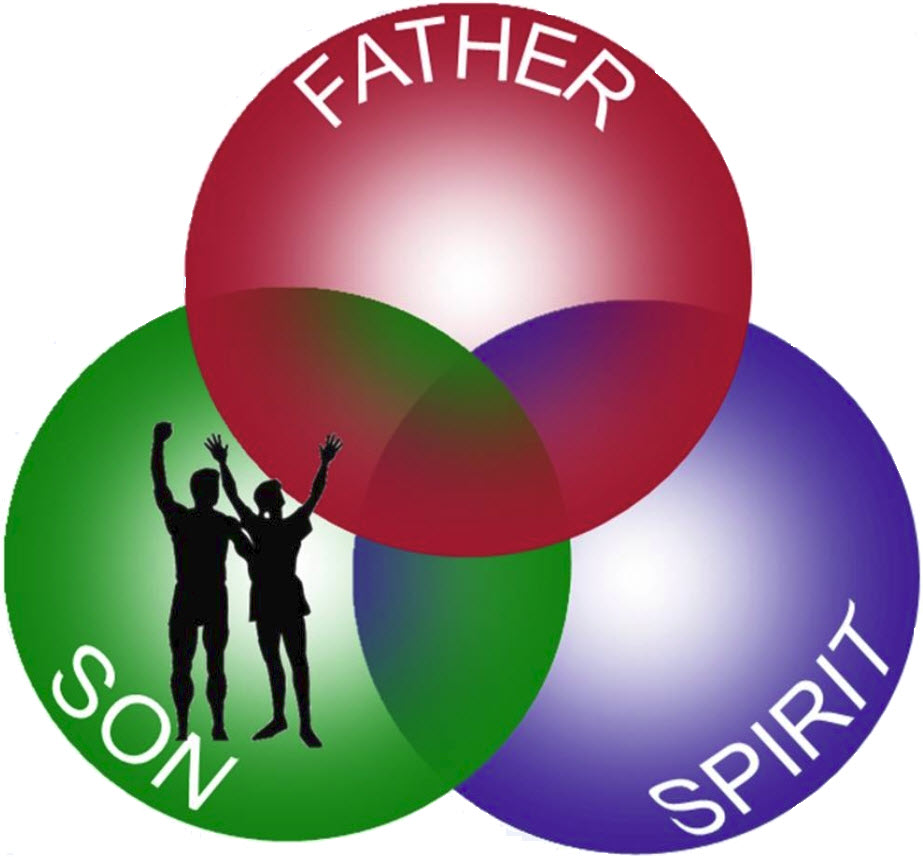
Part 2A
Part 2B
Scripture: Acts 2:33, 2 Cor 13:14
Summary and Goal:
This Sunday, following Trinity Sunday, we continue proclaiming the relational God-Father-Son-Holy-Spirit Revealed in Jesus. This message is meant to help believers remember that the Father-Son-Holy-Spirit-God is not just an add-on doctrine of Christian faith, but that this God IS the Gospel! God the Trinity is “the root and nerve center” of all Christian belief. There could be no beliefs or doctrines apart from the Truth of Who God has revealed Himself to be in Jesus Christ. Indeed, there is no Christian faith apart from this relational God Who, in Love, sent Jesus Christ into our humanity to reveal Himself and share His Love and Life with us in the Holy Spirit. If you don’t get this basic understanding of the Gospel, you don’t get or understand Christianity. God’s primary revelation to us is the revelation of Himself! The scriptures are primarily about Him! We can only understand ourselves, and the scriptures in the Light of Who He is, or we cannot and do not understand either! Check it out!
Christ Connection:
Jesus alone reveals this God and, by becoming human, has given us human beings real knowledge of, and access to, God, through the Holy Spirit!
Photos compliments: trinityandhumanity.com (John Stonecypher)
Who Is The Relational God Revealed In Jesus?
Filed under: Bible, By Tim Brassell, By Timothy Brassell, Christian Living, Christianity, Church, Discipleship, Evangelism, Faith, GCI Windsor Mill, Maryland, God, God Father Son and Spirit, God the Trinity, God's love, good news, Gospel, Grace Communion Baltimore, Grace Communion International, identity in Christ, Inclusion, Jesus Christ, Love, New Life Fellowship Of Baltimore Maryland, New Life Fellowship Of Windsor Mill, MD., On Mission with Christ, Participation with Christ, Participation with Jesus, relationship with God, Relationships, Sermons, The Church, The Dance and Dream of the Trinity, The Father, Son and Holy Spirit, The Holy Spirit, The Plan of Adoption, Timothy Brassell, Trinity, Uncategorized, Union with Christ, Witnessing to God, Witnessing to Jesus, Worship, Worshiping God, Worshipping Jesus | Tags: Adoption, Basic Christian Teaching, Christian Living, Christianity, Church, Discovering Your Life Purpose, Faith, God Father Son and Spirit, God's Grace, God's Kindness, God's love, Gospel, Grace, Grace Communion Baltimore, Hope, Jesus, Jesus Is God's Love Revealed, Love, New Life Fellowship Of Baltimore Maryland, Relationships, Salvation is Relationship, Spiritual Guidance, The Christian Faith, Timothy Brassell of New Life Fellowship, Trinitarian Theology, Trinity, Trinity Sunday, Who Is Jesus?
Leave a Comment 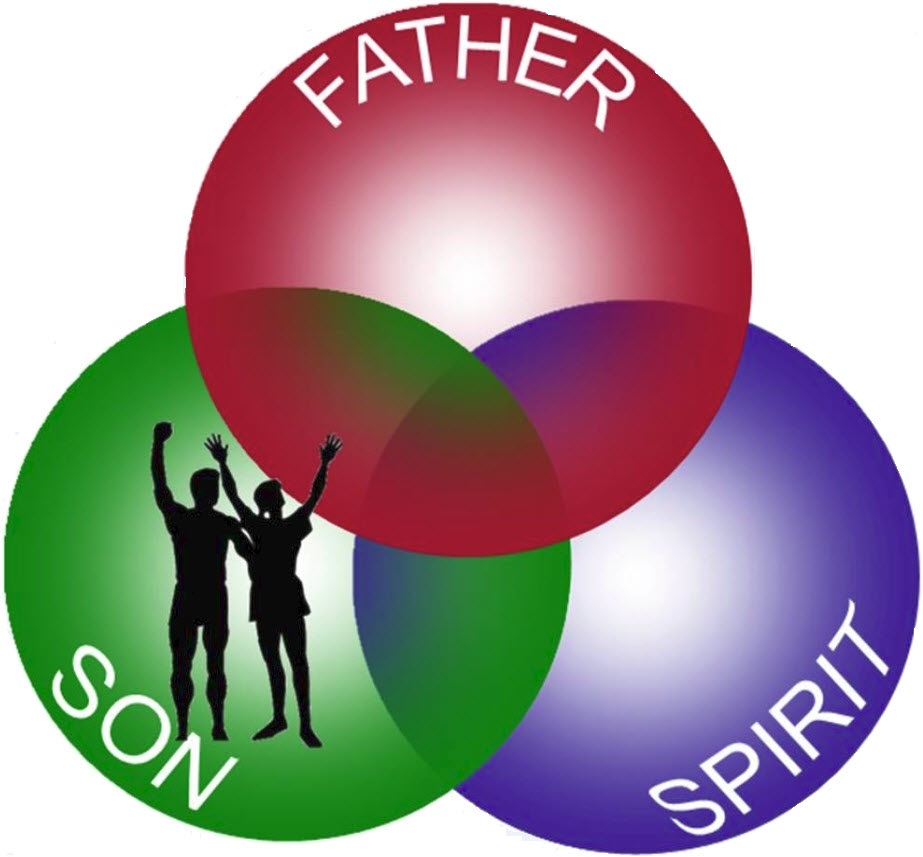
Part 1A
Part 1B
Scripture: Acts 2:33, 2 Cor 13:14
Summary and Goal:
On this Trinity Sunday, we proclaim the relational God-Father-Son-Holy-Spirit Revealed in Jesus. This is an attempt to clarify further why this is so important to grasp, and what it means for our Christian faith. Indeed, there is no Christian faith apart from this relational God Who, in Love, sent Jesus Christ into our humanity to reveal Himself and share His Love and Life with us.
Christ Connection:
Jesus alone reveals this God and, by becoming human, has given us human beings real knowledge of, and access to, God!
Photos compliments: trinityandhumanity.com (John Stonecypher)
Pentecost And The Coming Of The Holy Spirit!
Filed under: Bible, By Melvin McKee, Jr., Christian Living, Christianity, Church, Faith, GCI Windsor Mill, Maryland, God Father Son and Spirit, God the Trinity, good news, Gospel, Grace Communion Baltimore, Grace Communion International, Jesus Christ, Love, Ministry, New Life Fellowship Of Baltimore Maryland, New Life Fellowship Of Windsor Mill, MD., On Mission with Christ, Participation with Christ, Pentecost, relationship with God, Relationships, Sermons, The Church, The Father, Son and Holy Spirit, The Gospel Project, The Holy Spirit, Union In Christ, Union with Christ, Witnessing to God, Witnessing to Jesus, Worship, Worshiping God, Worshipping Jesus | Tags: Christian Living, Christianity, Church, Discipleship, God's Promise, Gospel, Jesus, Jesus' Ascension, Jesus' Death, Jesus' Resurrection, Love, Melvin McKee Jr., New Life Fellowship Of Baltimore Maryland, Pentecost, Relationships, The Body of Christ, The Great Commission, The Spirit's Indwelling, Trinity
Leave a Comment 
Part 1A
Part 1B
Scripture: Acts 1, 2
Introduction:
Summary and Goal:
Pentecost was the occasion following Jesus death, resurrection and
ascension when the Holy Spirit was sent as Jesus promised to his
disciples in Jerusalem. Peter proclaimed the fulfillment of the
prophecy of Joel 2:28-32.
Theological Theme:
Jesus Christ is the living Head of the Church, and to whom it looks and is
directed through the Holy Scriptures, by the indwelling Holy
Spirit.
Christ Connection:
Jesus lives in his followers through the presence of the Holy Spirit
indwelling and empowering them to fulfill the great commission of
proclaiming the good news of Jesus in the world.
Missional Application:
The Church, the body of Christ, is composed of people who trust in
Jesus and who are commissioned to make disciples of others in the world.
Photos compliments: pinterest.com
Who and Where Jesus Is, and What He’s Doing!
Filed under: Ascension, Ascension of Jesus, Bible, By Pastor Timothy, By Tim Brassell, By Timothy Brassell, Christian Living, Christianity, Church, Discipleship, Evangelism, Faith, GCI Windsor Mill, Maryland, God, God Father Son and Spirit, God the Trinity, God's love, good news, Gospel, Grace Communion Baltimore, Grace Communion International, identity in Christ, Inclusion, Jesus Christ, Love, Ministry, New Life Fellowship Of Baltimore Maryland, New Life Fellowship Of Windsor Mill, MD., On Mission with Christ, Participation with Christ, Participation with Jesus, relationship with God, Sermons, The Church, The Dance and Dream of the Trinity, The Father, Son and Holy Spirit, The Holy Spirit, The Plan of Adoption, Timothy Brassell, Trinity, Uncategorized, Union In Christ, Union with Christ, Witness, Witnessing to God, Witnessing to Jesus, Worship, Worshiping God, Worshipping Jesus | Tags: Adoption, Ascension, Ascension Sunday, Christian Living, Christianity, Church, Ephesians 1, Ephesians 4, Forgiveness of Sin, Glorified Humanity, God's Throne of Grace, Godly Encounter, Gospel, Human Being Perfected, Human Destiny, Jesus, Jesus Rules Everything, Jesus' Ascension, Love, Our Father's Help, Pastor T, Pastor Timothy Brassell, Pastor Timothy Brassell of New Life Baltimore, Pastor Timothy Brassell of New Life Fellowship, Reconciliation to Jesus, Reconciliation with God, Relationships, repentance, The Ascension of Jesus, The Father's Will, Trinitarian Theology, Trinity, Turning From Sin
Leave a Comment 
Part 1A
Part 1B
Scripture: Ephesians 1, 4
Introduction:
Summary and Goal:
On this Ascension Sunday, we ask, “Who is Jesus Christ?” And, “Who are you, Lord?” We get the incredible response and reminder that He is the Father’s Son in the Holy Spirit Who, as the God/Man, is The Way, The Truth, The Resurrection, The Life, and The Ascended One!
Theological Theme:
As the Ascended One, Jesus is ruling over all things with his Father and the Holy Spirit as the God/Man! Though He is living with the limitations of our glorified human nature, he is also living with the unlimited nature of his God Being, as one Person with two natures! Ruling over the earth was always Jesus’ destiny, even if we hadn’t sinned, for God alone can rule over all things within creation and outside of creation! God alone can rule over the visible as well as the invisible! Apart from Christ, no one can do anything! This is not just a statement coming from the fact that we have sinned and fallen short of God’s glory! Only the Father Son and Holy Spirit God can pull off Their real, full, and final goal inside their creation; the goal of the adoption of mankind into Their relationship!
Christ Connection:
In Jesus’ being conceived by the Holy Spirit, he has started something fresh and new right here in the middle of our broken humanity (for he was not born of the will of fallen man but of God). In his fleshly life as a baby, a child, a teenager, a young adult, and a full-grown man, he has completely undone every obstacle and all sin between the Father and us. We can relate with him and the Father and come before his throne of grace boldly to receive mercy in time of need! In his suffering and crucifixion, and his ascension to heaven as a fully glorified Man before the Father, Jesus is sharing everything He is and has with our human nature in the Holy Spirit.
Missional Application:
In the grace and power of the Holy Spirit Who is with us, and through whom Jesus knocks on the door of our hearts to live inside us, you can now turn and come to the Father! Through Jesus the Son you can live a life that glorifies God—great things Jesus has done! You are called to live in unity with Jesus and the Father by receiving the Holy Spirit, a relationship that is offered to you freely! You are summoned in Jesus by the Spirit to embrace and stop rejecting the Father! You are called to understand Jesus and stop putting off understanding Him! You are called to enjoy the Holy Spirit and stop grieving Him! You are called to receive and share this Good news with others!
Photos compliments: youtube.com
Sin and God’s Authority
Filed under: Bible, By Richard Andrews, Christian Living, Christianity, Church, Faith, GCI Windsor Mill, Maryland, God, God Father Son and Spirit, God the Trinity, God's love, good news, Gospel, Grace Communion Baltimore, Grace Communion International, identity in Christ, Jesus Christ, Love, Ministry, New Life Fellowship Of Baltimore Maryland, New Life Fellowship Of Windsor Mill, MD., On Mission with Christ, Participation with Christ, Participation with Jesus, Prayer, relationship with God, Relationships, Sermons, The Church, The Father, Son and Holy Spirit, The Gospel Project, Trinity, Uncategorized, Witnessing to God, Witnessing to Jesus, Worship, Worshiping God, Worshipping Jesus | Tags: Avoiding Arrogance, Christian Living, Christianity, Church, Cultural Barriers Overcome, Disobedience, Genesis 11, Glorifying God's Name, God's Creation, God's Desires, God's People Gathered, God's Ways and Thoughts, God's Faithfulness, God's Judgment, God's Mercy, God's Presence, Gospel, Jesus, Language Barriers, Love, Love Overcomes Sin, Noah, Pentecost, Relationships, Salvation, Salvation from Sin, Sharing in Jesus' Humility, Sin, Sin Can't Stop God, The Flood, Tower of Babel, Trinitarian Theology, Trinity
Leave a Comment Part 1A
Part 1B
Scripture: Gen 3:1 – 4:8
Introduction:
Summary and Goal:
In the previous session, we saw that after the flood, God reaffirmed His creative purpose for people to be fruitful, multiply, and fill the earth (Gen. 1:28; 9:1,7). Sin, no matter how grievous and pervasive it may be, cannot stop God’s plan from marching forward. But the account of Noah ends in a surprising way, with Noah drunk and disgraced in front of his sons. The flood had brought judgment on the world, but it had
not removed sin. In this session, we pick up the story and see that it did not take long for humanity once again to shake its fist at God in active rebellion against Him. God’s command to spread out to fill the earth was not simply ignored but rejected in the city of Babylon, or Babel, as its residents sought to glorify their names instead of God’s.
Theological Theme:
Sin drives people to seek to make themselves great, even in direct disobedience of
God, but sin cannot halt God’s plans.
Christ Connection:
God confused the language of and scattered those who wanted to make a great name
for themselves. At Pentecost, God tore down the language barrier so that His people
would scatter across the world and make known the great name of His Son. One
day, God will gather together people from every tribe and language to worship Him
in unity.
Missional Application:
Because we have experienced the greatness of God through His gracious salvation
through Christ, we set aside all desires to make our names great and instead seek to
proclaim the kingdom of the Son of God throughout the whole world.
Photos compliments: pinterest.com
 Trinity and Humanity